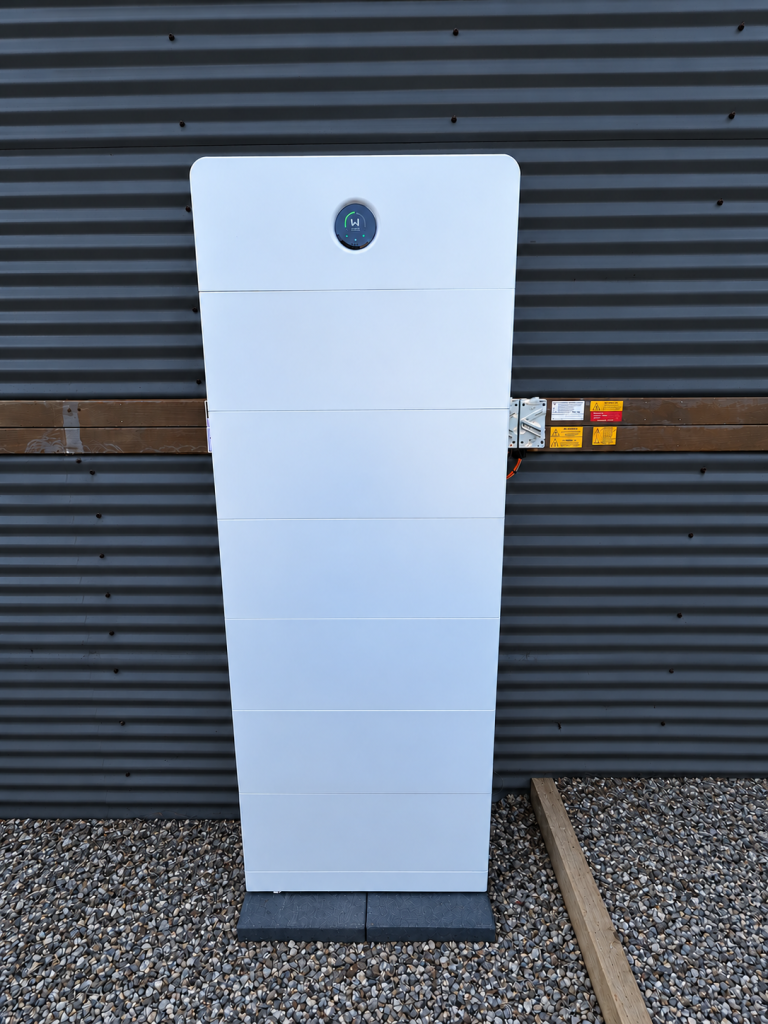
Thinking about adding a battery to your solar system? Here’s what Victorian homeowners should know before making the investment.
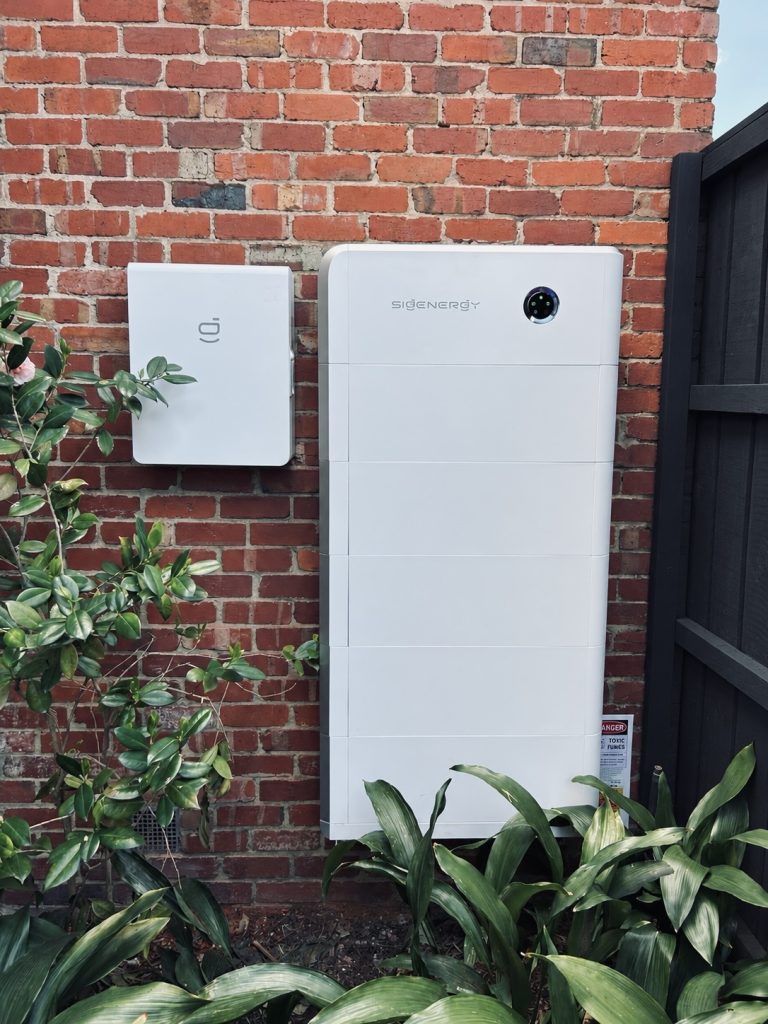
If you already have solar panels, or you’re thinking about installing them, you’ve probably wondered whether a home battery is worth the extra cost.
With more households looking for ways to reduce electricity bills, use more of their own solar power and become less reliant on the grid, home batteries are becoming an increasingly popular option across Melbourne and Victoria.
But here’s the honest answer: a home battery can be a great investment for some households, but it isn’t the right choice for everyone.
The savings depend on how much electricity you use, when you use it, the size of your solar system, your electricity tariff and the cost of the battery itself.
At Waverley Solar, we believe the best system is one that’s designed around your home and your needs, rather than simply selling you the biggest battery available.
In this guide, we’ll explain how home batteries work, when they make financial sense, what government incentives are available in 2026, and what to consider before making a decision.
How does a home battery work?
During the day, your solar panels generate electricity. Your home uses some of that electricity immediately, and any surplus can be sent to the electricity grid.
A home battery allows you to store some of that excess solar energy for later.
Instead of exporting all your unused solar electricity during the day and buying electricity from the grid at night, you can store more of your own energy and use it when your solar panels aren’t producing enough power.
For example, imagine your household is empty for much of the day, so your solar panels generate more electricity than you need. In the evening, everyone gets home, the cooking starts, the heating or cooling goes on, and electricity consumption increases.
A battery can help bridge that gap by storing surplus daytime solar energy for use in the evening.
Depending on your system and electricity plan, a battery may also be charged from the grid when electricity is cheaper. Whether that makes financial sense depends on your tariff, battery efficiency and how you use the stored energy.
When is a home battery worth it?
There are a few situations where installing a solar battery is particularly worth considering.
1. You export a lot of solar electricity during the day
If your solar panels regularly generate more electricity than your household uses, you may be exporting a substantial amount of energy to the grid.
The problem is that the credit you receive for exporting electricity can be considerably lower than the price you pay to buy electricity back later.
A battery allows you to store some of that excess generation and use it when you need it.
The more suitable surplus solar energy you have available, the greater the opportunity to make use of a battery.
However, it’s important to remember that a battery cannot store electricity that your solar system hasn’t generated, and not every exported kilowatt-hour will translate into a kilowatt-hour of useful stored energy.
2. Your household uses most of its electricity in the evening
Many Victorian households use relatively little electricity during the middle of the day and much more in the late afternoon and evening.
Cooking dinner, running heating and cooling, using appliances and charging devices can all increase electricity consumption after the sun goes down.
If your household follows this pattern, a battery can help you use more of your own solar energy rather than purchasing electricity from the grid.
This is often one of the main reasons homeowners consider adding a battery to an existing solar system.
3. You have a larger electricity demand
Households with higher electricity consumption may have more opportunities to benefit from battery storage, particularly if they have a suitably sized solar system.
For example, a home with several occupants, electric heating and cooling, an electric hot water system or an electric vehicle may have different energy requirements from a smaller household.
That doesn’t automatically mean a larger battery is better.
What matters is how much electricity you can realistically store and use, rather than simply how much electricity your household consumes overall.
4. You want backup power during an outage
For some homeowners, the attraction of a battery goes beyond reducing electricity bills.
A suitably configured battery system can provide backup power during a grid outage, helping keep selected household circuits operating.
However, not every solar battery installation automatically provides backup power.
Backup capability depends on the battery, inverter, backup equipment and electrical configuration. The amount of power available and the appliances you can operate will also depend on the system design and remaining battery charge.
If backup power is important to you, make sure it’s discussed before choosing a system.
When might a home battery not be worth it?
A battery isn’t automatically a good investment just because you have solar panels.
There are several situations where the financial benefits may be limited.
You already use most of your solar electricity during the day
If your household consumes most of the electricity your panels generate while the sun is shining, there may not be enough surplus solar energy to regularly charge a battery.
You could still charge it from the grid under a suitable electricity plan, but that needs to be assessed carefully.
Your existing solar system is relatively small
A battery needs a reliable source of energy to charge it.
If your solar panels generate only a modest amount of surplus electricity, a larger battery may rarely fill up. This can limit the savings you achieve.
In some cases, expanding your solar panel system may be worth considering before investing in a battery.
The upfront cost is too high compared with the expected savings
Even if a battery reduces your electricity bills, the savings need to be sufficient to justify the purchase and installation cost.
If the payback period is longer than you are comfortable with, or the battery’s expected useful life doesn’t support the financial case, it may be better to wait.
There is nothing wrong with deciding that a battery doesn’t make sense for your household right now.
How much can a home battery save you?
This is one of the most common questions homeowners ask, and it’s also where it’s important to be careful.
There isn’t one reliable savings figure that applies to every home.
Your potential savings depend on several factors:
- Your electricity tariff: The difference between the price you pay for grid electricity and the value of your solar exports matters.
- Your daily electricity usage: A household that regularly uses stored energy in the evening may benefit more than one that has little demand after sunset.
- Your solar system size: You need enough surplus generation to charge the battery.
- Battery capacity and efficiency: Some energy is lost when charging and discharging a battery.
- Your electricity plan: Time-of-use rates, demand charges where applicable, and other tariff features can affect the economics.
- The installed price: The purchase price, installation requirements and any eligible government discount all influence the payback period.
A simple example
Let’s say a household stores and later uses 8 kWh of solar energy each day that would otherwise have been exported.
For illustration, assume the household would otherwise pay 30 cents per kWh for grid electricity and receive 5 cents per kWh for exporting that energy.
The potential difference is 25 cents per kWh.
Using those assumptions:
8 kWh × $0.25 = $2.00 per day.
Over 365 days, that’s approximately $730 a year in potential electricity bill savings.
This is an illustrative example, not a forecast or guarantee.
Actual savings may be lower because of battery losses, seasonal changes in solar generation, periods when the battery doesn’t fully charge, and changes in electricity tariffs. Your export credit and import price may also differ significantly from these assumptions.
The example does, however, show why the difference between your import price and export credit is so important when assessing a battery.
Before investing, it’s worth having your actual electricity bills and solar generation data assessed to estimate what a battery could realistically save you.
What government battery incentives are available in Victoria in 2026?
Government incentives can make a meaningful difference to the upfront cost of a home battery.
As of October 2026, Victorian homeowners should be aware of the following programs.
Australian Government Cheaper Home Batteries Program
The Australian Government’s Cheaper Home Batteries Program provides a discount for eligible battery installations connected to new or existing solar PV systems.
The program has offered a discount of around 30% on eligible small-scale battery systems, subject to the program’s rules.
Changes that took effect on 1 May 2026 adjusted how the discount is calculated, including the treatment of larger battery capacities. The amount available depends on the battery’s eligible usable capacity and the applicable small-scale technology certificate settings.
The discount is generally applied through the retailer or installer, reducing the upfront price or being provided through an eligible rebate arrangement.
It’s important to confirm the discount available for your chosen system at the time of quoting and installation, as program settings change over time.
Victorian Solar Homes battery loan
Victoria’s Solar Homes program previously offered interest-free loans for home battery installations.
However, Solar Victoria is no longer accepting applications for these battery loans.
Eligible Victorian households may still be able to access other Solar Homes incentives, including solar panel rebates, but these are separate programs with their own eligibility requirements.
For the latest official information, visit:
- Australian Government: Cheaper Home Batteries Program — https://www.dcceew.gov.au/energy/programs/cheaper-home-batteries
- Solar Victoria: Solar Homes Program — https://www.solar.vic.gov.au/solar-homes-program
Don’t assume you qualify for an incentive simply because you’ve received a quote. Ask your installer to confirm the applicable eligibility requirements and show you how any discount has been calculated.
What size battery do you need?
Choosing the right battery size is just as important as choosing the right brand.
A battery that’s too small may run out of stored energy before the evening is over. A battery that’s too large may cost more than necessary and may not regularly charge to capacity.
As a starting point, consider how much electricity your household uses after sunset and how much surplus solar energy you typically generate during the day.
For example, a household that uses a modest amount of electricity in the evening may not need the same battery capacity as a larger household with substantial heating, cooling or other electrical loads.
It’s also important to distinguish between battery capacity and power output.
- Capacity (kWh) tells you how much energy the battery can store.
- Power output (kW) tells you how much electricity it can supply at a given time.
A battery can have plenty of stored energy but still have limitations on how many appliances it can run simultaneously.
If you’re considering a battery with backup functionality, the power output and backup configuration become particularly important.
The best way to size a battery is to look at your actual usage patterns, solar generation and the appliances you want to operate.
Should you install a battery with new solar panels or add one later?
Both approaches can work well.
Installing solar panels and a battery together
If you’re installing solar for the first time, planning both systems together can help ensure the panels, inverter and battery work well as a complete solution.
It also gives you the opportunity to plan for future electricity needs, such as an electric vehicle or a move away from gas appliances.
Adding a battery to existing solar panels
If you already have solar, you may be able to add a battery without replacing the entire system.
However, compatibility needs to be checked. Your existing inverter, solar system configuration, switchboard and available installation space can all affect which battery options are suitable.
Depending on the equipment, a battery may use your existing inverter arrangement or require additional equipment.
Before making a decision, it’s worth checking whether your current system can support a battery efficiently and whether any upgrades are necessary.
What should you look for when choosing a solar battery installer?
The battery itself is only one part of the investment. The quality of the design and installation matters too.
Here are a few things worth considering before accepting a quote.
1. A system designed around your home
A good recommendation should take your electricity consumption, solar generation and future plans into account.
2. Clear pricing
Make sure you understand the total installed price, including any additional electrical work, switchboard upgrades or backup equipment.
3. Product and installation warranties
Ask about the battery warranty, inverter warranty, installation workmanship warranty and any conditions relating to battery capacity or performance over time.
4. Backup power explained clearly
If backup power matters to you, confirm which circuits will operate during an outage, what equipment is required and what limitations apply.
5. Relevant accreditation
Check that the battery product and installer meet the applicable accreditation and program requirements. Under the Australian Government’s Cheaper Home Batteries Program, eligible products and installers must meet specified requirements.
6. Honest advice about payback
Ask how the expected savings have been calculated and which assumptions have been used. Be cautious of guaranteed savings or payback claims that don’t account for your actual electricity usage.
A battery is a significant purchase, and you should feel comfortable with the advice you’re given before committing.
So, is a home battery worth it in Victoria in 2026?
For many Victorian households, a home battery is worth serious consideration, particularly where there is plenty of surplus daytime solar generation and substantial electricity use in the evening.
The Australian Government’s battery discount can also help reduce the upfront cost for eligible installations.
However, a battery isn’t automatically the best next step for every home. The financial benefits depend on your household’s electricity habits, the size and performance of your solar system, your electricity tariff and the total installed price.
Sometimes a battery will make excellent sense. In other cases, improving your existing solar setup or changing when you use electricity may deliver better value.
The most important thing is to understand your household’s needs before choosing a system.
At Waverley Solar, we believe good solar advice starts with listening to the customer and understanding how their home uses energy.
With 20 years of electrical experience and 15 years in the solar industry, we take a practical approach to helping homeowners make informed decisions about solar panels and battery storage.
If you’re considering a home battery in Melbourne or the surrounding suburbs, we’d be happy to help you explore your options and understand whether a battery is likely to be worthwhile for your home.
Get in touch with Waverley Solar to discuss your solar and battery options.
The right solution should suit your home, your energy use and your budget — not simply be the biggest system available.
Information in this article is general in nature and current as at October 2026. Government incentive rules, electricity tariffs and battery pricing can change. Individual savings and payback periods vary, and should be assessed using your own electricity usage and system details.